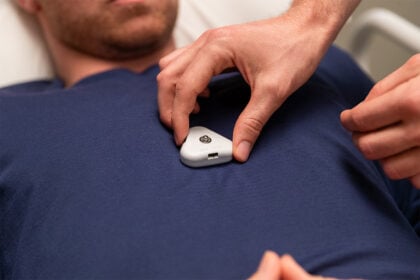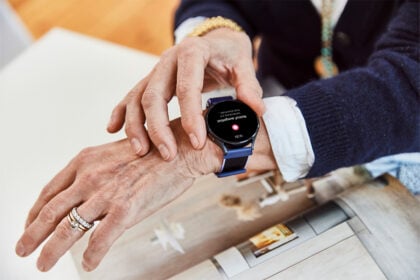


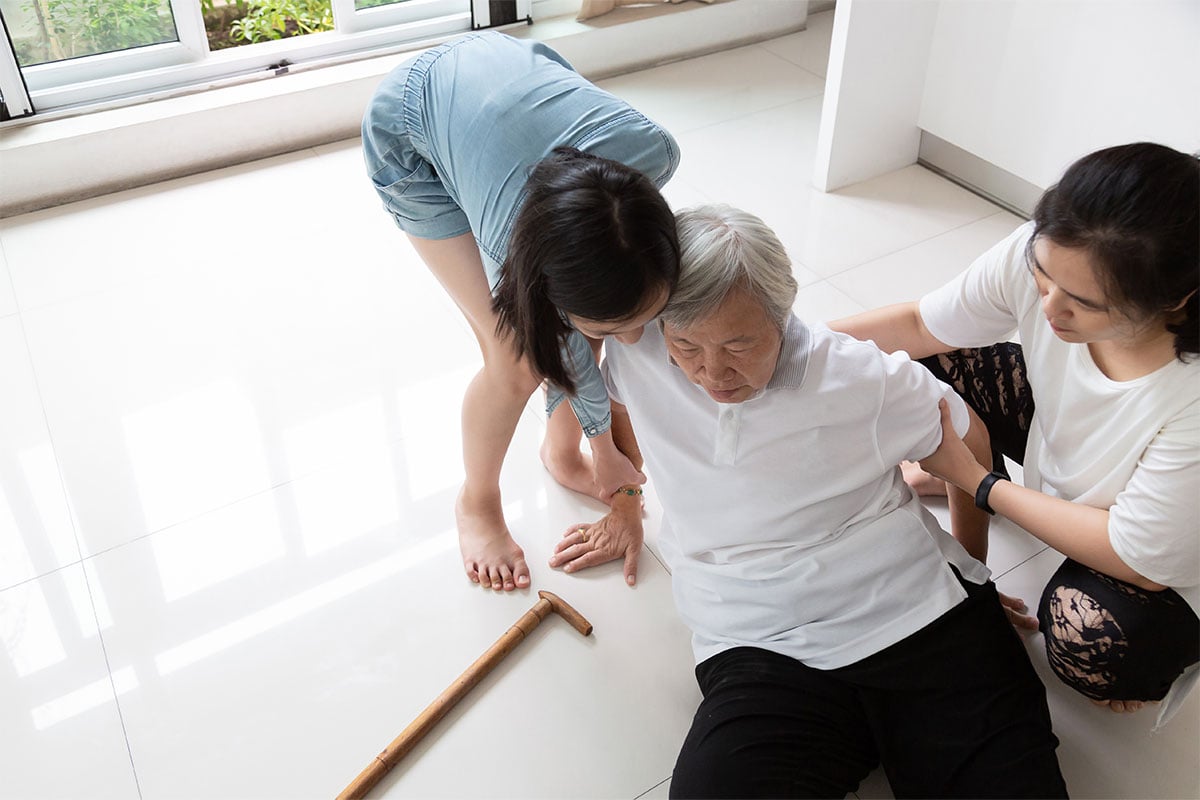

Researchers from Nottingham Trent University (NTU) have combined radar, thermal sensing, and smart plugs into a low-cost monitoring system to spot falls or a slow decline in elderly residents.
Traditionally, most home monitoring systems would work in isolation and force a trade-off of some kind. Cameras could be viewed as an invasion of privacy, wearables only work if they’re worn, and a single motion sensor can only tell a carer so much. However, the NTU research team believe that effective monitoring is a combination of sensing and smart technology, with a dash of AI to bring it together and make it make sense.
The system, developed with Integrated System Technologies, is designed to detect acute events such as falls, strokes, or heart attacks. Not only that, but it also enables future care planning. It is designed to notice any slower changes in routine that often come before a crisis.
Three sensors for three concerns
Each sensing method answers a different question about what is happening in the home.
Millimetre-wave: is someone moving, and where?
Millimetre-wave radar units, placed discreetly in whichever rooms a resident chooses, track movements around the property. Radar works in low light and doesn’t capture images. This navigates privacy concerns surrounding camera-based monitoring.
Thermal sensing: what position is the body in?
Thermal sensors classify posture (sitting, standing, walking, or lying down) from body heat. The researchers are deliberately keeping sensors low-resolution so that the output is too pixelated to show faces or fine movements, so a person can’t be identified from it.
Smart plugs: is daily life carrying on as normal?
Smart plugs connected to ordinary appliances record when everyday tasks happen, for example, the kettle going on, food being prepared, or time spent at a desk.
Dr Yangang Xing, Lead Researcher at NTU’s School of Architecture, Design and Built Environment, summarised the team’s approach as combining “radar for movement detection, low-resolution thermal sensing for posture recognition, and smart plugs for appliance-use monitoring to build a privacy-preserving picture of daily living activities in the home.”
An AI layer learns each resident’s normal patterns over time. When it spots something unusual, it can alert care professionals or family members, who can then check on the person either remotely or in person.
Why three sensors are the charm
False alarms are a problem in telecare. If a carer receives too many false alarms, they may stop responding. Yet, a carer missing an alarm undermines trust in the whole system. The NTU team says that by using several kinds of sensors, it helps to counteract both of these concerns.
“The three sensing methods provide complementary evidence of behaviour, allowing the system to cross-check observations and reduce reliance on any single sensor when identifying unusual events or changes in routine,” says Dr Xing. For example, radar showing no movement in the living room means little by itself. But if a thermal sensor also shows a person lying on the floor and their morning kettle hasn’t been boiled as usual, then that tells a very different story.
It is all about building a picture using the resources and the data at hand. To support their theory, the team tested the sensors in a mock domestic environment in six different rooms, including bedrooms and living rooms with different furniture arrangements. They recorded a series of activities and measured how accurately the system recognised movement and posture. When data from all the sensors was combined, it consistently performed better than any one sensor alone.
The long-term potential
This sensor trio is not only a way to help people after an incident has occurred. The longer-term benefit gained from a system that learns routines can also notice when those routines change, and so it could be invaluable to a care provider.
According to Dr Xing, the system “could potentially identify early indicators of mobility decline, changes in daily activity patterns, appliance use, and routine behaviours, providing data that may support earlier assessment, diagnosis, and intervention for conditions such as frailty, cognitive decline, or rehabilitation needs, although these applications remain an active area of research.”
Dr Geoff Archenhold, Chief Executive Officer of Integrated Systems Technologies, sees technology as part of a wider ambient assistive living model. In this model, homes monitor wellbeing in the background and flag any warning signs, such as changes in mobility, long periods of inactivity, disrupted sleep, or missing household routines.
Built as a plug in, not a lock in
Many care organisations already run several alarm, monitoring, and care management platforms, so how will this system fit alongside them?
The team says that it is not trying to replace those platforms. “Our vision is for an open, interoperable system that supports human-centred care planning and can integrate with a range of existing monitoring, alarm, and care management platforms rather than locking users into one solution,” says Dr Xing.
Costs will depend on how the system is commercialised. The design aims to use affordable consumer-grade hardware that can be installed “with minimal disruption and adapted to different care and housing settings,” he says. That could appeal to local authorities and housing providers managing budgets across large numbers of homes.
The next stage
A lot of work remains to be done. All testing so far has taken place in a simulated home. However, in a real-world environment, people own pets, receive visitors, accumulate clutter, and are occupied by real residents whose habits may not fit neatly into certain categories as they do in simulated environments.
The team is now looking for care providers, care homes, and local authorities to run real-world pilots. Dr Xing says this is “complex area requiring long-term collaborative research and evaluation.”
Data and governance
Data governance is an unresolved area, says Dr Xing. Even sensors that never capture a face still produce behavioural data about a person’s daily life. Dr Xing describes data storage, protection, and consent as “an important area for future research, and we anticipate using privacy-by-design approaches such as Edge computing, secure data management, and flexible consent frameworks that involve both users and carers where appropriate.”
For more caretech news, check out the other articles on the website, and for more information please email us at roshini.bains@starmediaservices.co.uk