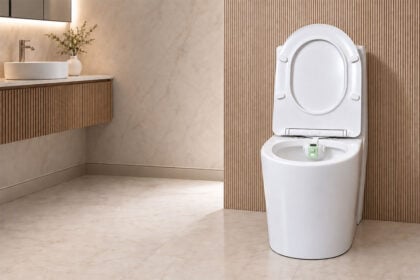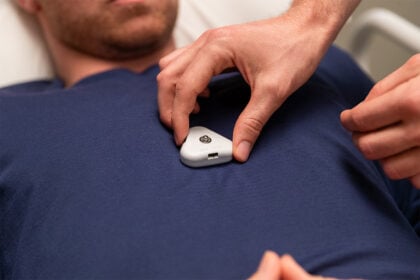


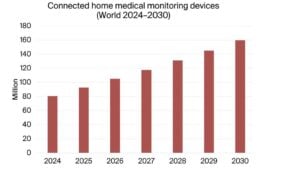
The market for connected medical devices used in patients’ homes is forecast to grow by 72% over the next five years, as healthcare providers increasingly use remote monitoring to manage chronic conditions and deliver care beyond traditional clinical settings.
The number of connected home medical monitoring devices is expected to rise from 92.7 million in 2025 to 159.7 million by 2030, according to research from Swedish market research firm Berg Insight, representing annual growth of 11.5%.
Ageing populations drive demand for connected care
The figures cover connected medical devices used by patients enrolled in mobile health (mHealth) care programmes as part of their treatment. They exclude consumer wearables and personal health trackers used for general health and wellness.
The expansion reflects growing demand for more continuous and personalised healthcare, driven by ageing populations, rising rates of chronic disease, pressure on healthcare budgets, and shortages of clinical staff.
“Healthcare systems around the world have undergone a transformation driven by an ageing population, rising healthcare costs, and changing patient needs,” said Vatsala Raina, IoT Analyst at Berg Insight.
“The market is shifting towards a connected, decentralised, and patient-centric model of care. Healthcare industry players have responded to this by developing connected medical devices, expanding remote patient monitoring programmes, and integrating digital health platforms that enable providers to monitor patients remotely.”
Sleep therapy and diabetes lead connected device adoption
The firm said that the main applications driving the market are sleep therapy, diabetes management, and implantable cardiac rhythm management (CRM).
It found that sleep therapy is the most connected segment, with the number of monitored patients more than doubling since 2018. Berg Insight attributes much of this growth to compliance-monitoring requirements in the US and Europe, which have encouraged the use of connected devices to track treatment.
Diabetes management is another major market. Glucose monitoring and insulin delivery devices accounted for 19.5 million connections at the end of 2025, making the segment the second largest in the report’s analysis.
Connected implantable cardiac rhythm management devices also represent an established market, with major manufacturers having incorporated connectivity into their products for more than two decades.
Remote patient monitoring market set to approach €92 billion
Remote patient monitoring (RPM) allows information about a patient’s condition to be collected at home and shared with healthcare professionals, supporting ongoing management between appointments. Berg Insight estimates that global RPM revenues reached €50.4 billion in 2025 and will increase to €91.6 billion by 2030, a compound annual growth rate of 12.7%.
Looking ahead, remote ECG monitoring, diabetes management, and medication compliance monitoring are expected to be among the fastest-growing segments over the next five years, Berg Insight forecast.
The range of applications reflects the increasing role of connected technology in managing long-term conditions, from respiratory diseases and sleep apnoea to cardiac arrhythmias, hypertension, and diabetes. Remote monitoring is also being used in remote diagnostics and clinical trials.
“The market is today moving beyond standalone connected devices towards integrated solutions that combine hardware, software, and data analytics to support more efficient and personalised care,” Raina added.
Software and services take a growing share of the market
Berg estimated that connected medical devices accounted for 51% of the market in 2025, while mHealth software and services represented 49%. By 2030, software and services are expected to account for 54% of revenues, as platforms and digital care services take on a larger role in remote monitoring programmes.
Smartphones and AI reshape remote monitoring
Connectivity is also changing. Cellular connections remain a standard option, with Berg Insight forecasting 89.5 million cellular connections by 2030. However, patients’ own smartphones and mobile devices are increasingly being used as connectivity hubs. The analyst expects 68.4 million patients to rely on their own devices for this purpose by the end of the decade. The approach is already preferred in some segments, including diabetes management.
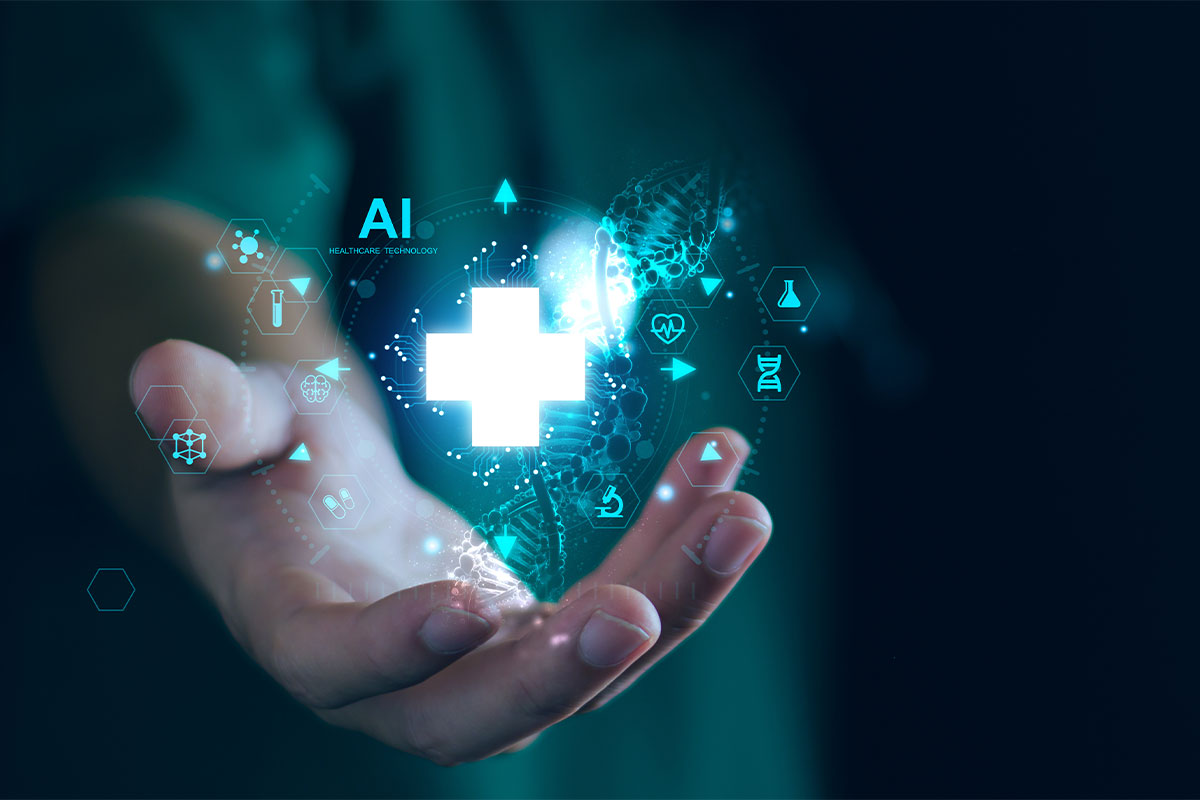
Berg found that artificial intelligence (AI) and machine learning are becoming increasingly important to the development of mHealth services, particularly as monitoring programmes generate larger volumes of patient data.
“AI and machine learning accelerate the shift towards remote and home-based care by identifying early signs of patient deterioration, supporting timely interventions and enabling healthcare providers to manage patients more effectively outside traditional clinical settings,” said Raina.
For more caretech news, check out the other articles on the website, and for more information please email us at roshini.bains@starmediaservices.co.uk