



Digital care records and smart monitoring are giving care workers time back. But a panel at The Care Show in Birmingham warned that unless providers decide what that time is for, the gains can disappear.
Technology companies have long promised social care “the gift of time”. This panel at The Care Show asked a harder question: once that time is saved, what happens to it?
The panel was chaired by Daniel Casson, Managing Director of Casson Consulting and it brought together views from the front-line and the care community.
Time back on the floor
Irene Matsheka is a Senior Healthcare Assistant representing the Care Workers’ Charity and she described the gains clearly. Care workers used to set aside 10 to 15 minutes to write up what had happened. Now they can record notes on their phones as they go, so that time goes back to “the most important person, which is your resident”.
Medication is another big gain. Many residents take a lot of medicines, and digital medication records alert staff when a dose is due or has been missed. At night, sensors let staff check on residents without going into their rooms and waking them. “Technology has really added value to us as front-line workers,” she said.
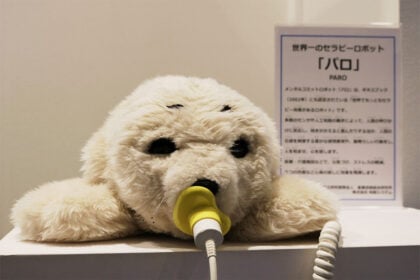
The panel also discussed technology replacing some visits altogether. Katie Thorn, Director of Innovation, Digital Care Hub described pilots where people returning home from hospital with acquired brain injuries were supported by companion robots. These were people who specifically did not want care workers coming in. That only works if it is the person’s choice, Thorn said. But with a workforce shortage, it frees skilled staff to spend time with people “who want that personal touch”.
The pressure of real time
However, real-time recording brings pressure of its own, Matsheka said. Care workers juggle many tasks at once, and now they must also make sure everything is logged as it happens. There is a less obvious problem too. Using a phone in front of visiting relatives can look like not paying attention. Staff end up explaining that they are writing up notes, not texting, which takes even more time away from residents.
Comments from the audience added further warnings. One lady stated she had interviewed people who receive home care and some told her care workers leave visits early to fill in records in their cars, where the phone signal is better. Others sit in a corner typing. She also said strict digital medication records can get in the way of sensible judgement. A care worker might rightly decide not to give a laxative to someone with an upset stomach, and the system makes that harder to record.
A spokesperson from a care provider in Kent, UK said his organisation moved to electronic care records in the past year to free up time. Instead, care workers now say they spend just as long recording on screen as they did on paper. “Because we can record so much on electronic systems, that’s what we’re doing,” he said. “Just because we can doesn’t mean we necessarily should.” Staff also feel they must record more to justify the hours on local authority contracts. Several people in the audience raised their hands when asked if they had seen the same thing.
Efficient is not the same as good
The panel kept coming back to the same point: saving time only matters if the time is put to good use. One of the panellists said that when they made the case for technology in government, ministers did not just want to know how much time it saved. They wanted to know “where’s that time going?” They’re also tired of suppliers promising “the gift of time” without saying what it should be spent on.
Katie Shaw, Co-Production & Engagement Officer, Telford & Wrekin Council, who receives at home care, made the distinction clearly. “Good care means I’m happy, they’re happy”, and daily life feels seamless. Efficient care can feel like something to be endured. Technology can take away the admin and leave more room for relationships, but staff need to know what that time is for. “It’s time where they can build a relationship and where they can really help somebody live a life instead of an existence.”
Drawing on her own experience, Shaw said the person receiving care must be “part of the team that make everything possible”, not “just a passive recipient”.
Monitoring and ethics
Monitoring technology causes tension. One panellist said families and people who draw on care often like it because it makes them feel safer. But care workers say it can make them feel watched and not trusted. “Both of those are incredibly valid perspectives,” the panellists agreed. Talking about the ethics of technology means admitting that what works for one person may not work for another.
Matsheka said the basic rule of care should not change: “There is no way technology can come before the person.”
Making it stick
“Technology is never the whole answer,” Thorn said. “It’s about the culture. It’s about the business processes within an organisation.” She often sees local authority pilots of technology-enabled care run for a long time without ever becoming normal practice. Usually the reason is that nothing else around the technology changed. Choosing technology is hard too. National assurance work can confirm the basics, such as cybersecurity and core features, but providers still have to judge what fits.
Shaw said the test is whether the technology fits the people it serves and makes a difference you can show. That means planning it with everyone affected, not just the people buying it.
What it means for care providers
The panel’s message for care providers was clear:
- Decide what the saved time is for. Plan, before rollout, how freed-up hours will be spent with residents. Otherwise they slip back into admin
- Record what matters, not everything you can. Review what staff are asked to log. Extra data is only worth it if someone uses it to spot trends and act sooner, or, with consent, to keep families informed
- Leave room for judgement. Make sure digital medication records let staff record clinically sound decisions
- Talk to staff and families about monitoring. Families may welcome it while staff feel watched. Discuss both views openly
- Change the processes, not just the software. Technology added without changes to culture and working practices tends to stay a pilot