


The World Health Organization (WHO) reports that 1 in 10 patients are harmed while receiving healthcare worldwide. In primary care, the WHO Global Patient Safety Report 2024 found that up to 40% of patients experience harm, and 80% of it is avoidable.
In response, WHO launched World Patient Safety Day, an annual campaign focused on reducing avoidable harm and medical errors across global healthcare systems. Last year’s theme centered on newborn and paediatric safety under the slogan “Patient safety from the start!” This year, the focus shifts to “Safe care for noncommunicable diseases” (NCDs), highlighting safety risks during long‑term and multi‑setting care.
NCDs, such as diabetes, heart disease and dementia, place individuals at higher risk of patient harm. Many people living with NCDs struggle to recognise hunger, thirst or discomfort, and often cannot self‑advocate or self‑medicate due to physical or cognitive decline. In care settings, this vulnerability increases the risk of dehydration, malnutrition, missed medication, rough handling, and even emotional abuse.
With patient safety under scrutiny, a wave of new technologies has emerged to reduce accidents, neglect and preventable deaths. From hardware sensors to digital reporting platforms, these are the tools reshaping safety in care.
Tracking technology
For many people with NCDs, monitoring their own health isn’t possible. To address this, care providers are adopting wandering‑prevention and geo-fencing technology, particularly for dementia residents at risk of unsafe exits.
This includes location‑tracking badges, door alarms, and room‑based sensors that detect movement and trigger rapid staff response. Staff badges are also being used to log room entry, length of stay and completed tasks, reducing unsupervised access and unrecorded interactions.
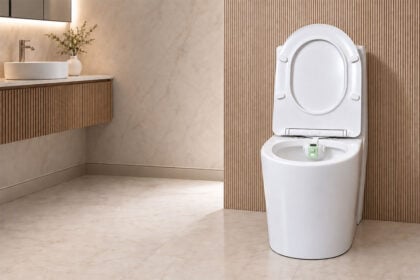
To prevent dehydration and malnutrition, new tools track fluid intake, eating patterns, weight changes and swallowing risks. One example is Droplet Hydration, a UK‑based system with a smart base that monitors fluid intake and prompts residents to drink. It automatically logs hydration data for staff and is designed specifically for dementia and frailty care.
Digital family‑access portals are also becoming common, giving families visibility over care logs, hydration charts and incident reports. This transparency helps reduce neglect and accidental mismanagement.
Medication and incident‑reporting management
Medication errors remain a major cause of preventable harm in care homes. A BMJ study found that one in five residents experienced a potentially serious medication error, including wrong doses, omitted medication, incorrect drugs or failure to monitor side effects.
New technology aims to reduce these risks through electronic MAR charts, automated dispensing cabinets and blister‑pack scanning. The largest blister‑pack scanning system in the UK is Omnicell eMAR, which uses bar code scanning, automated MAR updates and alerts for missed or late doses.
Incident reporting is another long‑standing challenge. WHO found that care homes significantly under‑report safety incidents, often due to lengthy forms, fragmented systems, time pressure and fear of blame.
Platforms such as Nourish Care streamline this process with digital care‑planning, missed‑medication alerts, incident logging and care‑task tracking.
AI‑based safeguarding analytics are also emerging. These systems combine incident data, sensor inputs, staffing patterns and resident behaviour to identify high‑risk staff, shifts or patients. CarePredict is one example, used across the US, Japan and senior‑living chains to flag safeguarding concerns early.
Smart‑tech and safety
Sensors are now one of the most important technologies in care homes. They support staff, reduce risk and provide continuous monitoring for residents with NCDs.
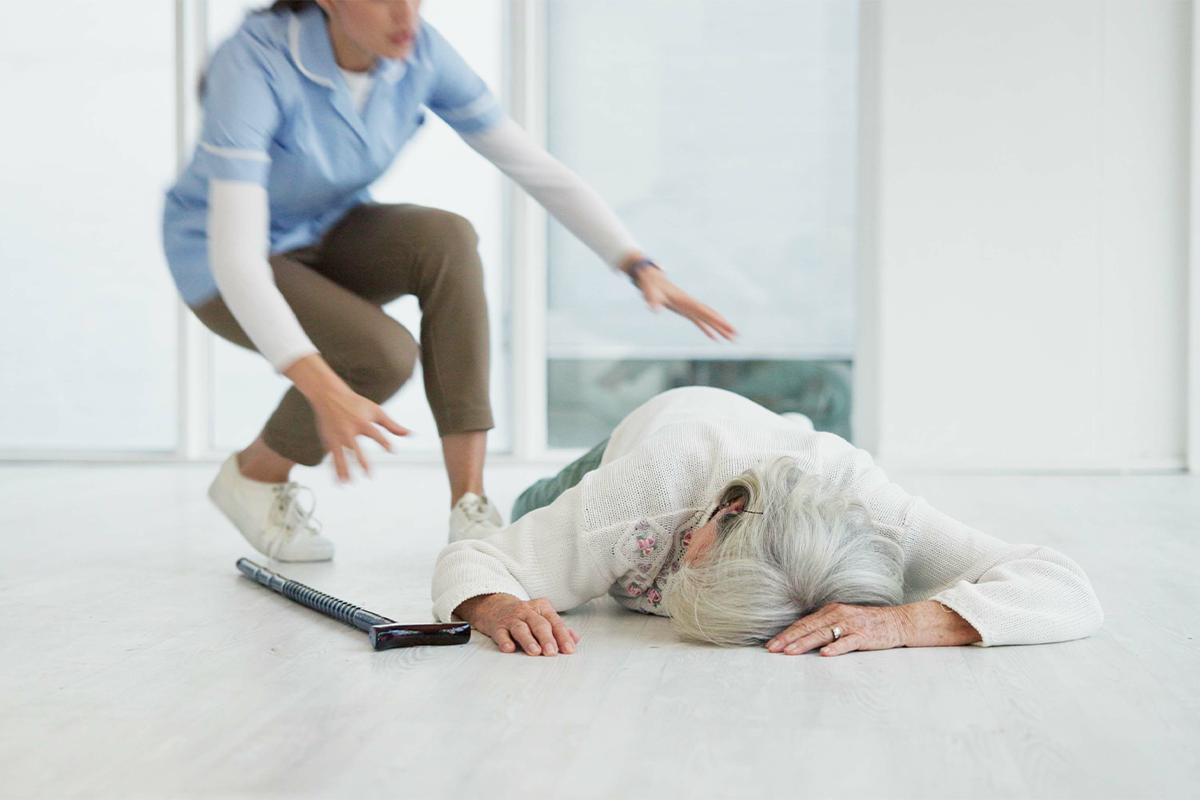
Falls remain the number‑one cause of harm in care settings. Fall‑detection systems now include ceiling‑mounted radar, bed‑exit sensors and wearable accelerometers, all designed to alert staff before or immediately after a fall.
Pressure ulcers, another common and preventable harm, are being tackled with smart pressure‑relief beds. These beds use automated repositioning, pressure mapping and moisture/temperature sensors to reduce bed sores, infections, and hospital transfers.
COVID‑19 highlighted how quickly infections can spread in care homes. Many of these infections are avoidable, and technology is stepping in. Tools now include UV‑C disinfection, air‑quality sensors, automated hand‑hygiene monitoring and antimicrobial surface coatings.
These technologies show how much progress is already possible. But tools alone won’t solve the problem. Their impact depends on consistent adoption, proper training, and a culture where safety is prioritised every day. For people living with NCDs, and the staff who care for them, technology isn’t just an upgrade. It’s becoming a fundamental part of delivering safe, dignified and accountable care.
For more caretech news, check out the other articles on the website, and for more information please email us at roshini.bains@starmediaservices.co.uk